Times:2026-10-12 09:53 Popularity:30
Recently, teams of Professor Xu Yinghua (Zhejiang University of Technology) and Professor Liu Bin (City University of Hong Kong) published the paper Electro-Organic Synthesis at a Stable Oil/Water/Solid Three-Phase Interface Reactor in Angewandte Chemie International Edition. Zhejiang University of Technology is the first and corresponding author affiliation (Institute of Future Technology).
Supported by the NSFC and multiple funding schemes of CityU and Hong Kong ITC, this research targets challenges of poorly water-soluble organics in traditional electrosynthesis. A porous membrane electrode (PME) reactor was designed to build stable oil/water/solid three-phase electrochemical interfaces. It enables direct electroconversion of high-concentration or neat organic substrates, while integrating product separation, stable long-run operation and reactor scale-up.
Conventional approaches generally aim to increase the solubility of organics in water. This study adopts an alternative strategy: instead of attempting to dissolve organics into the aqueous phase, the oil and aqueous phases are brought into direct contact inside the electrode.
The PME consists of a hydrophobic porous layer and a catalytic layer, with its two sides in contact with the organic phase and aqueous electrolyte, respectively. Organic substrates are supplied directly from the oil phase, the aqueous phase undertakes ionic conduction, and the solid electrode enables electron transfer and catalysis. As a result, an oil/water/solid three-phase reaction zone forms within the porous electrode. This design yields two distinct benefits. On one hand, poorly water-soluble substrates can participate in the reaction directly at high concentrations or even as neat liquids. On the other hand, supporting electrolytes remain mostly confined in the aqueous phase, naturally separating organic products from electrolytes. At the reactor level, this simultaneously mitigates two major challenges: limited mass transfer and cumbersome product separation.
1. Construction of a Stable Oil/Water/Solid Three-Phase Electrochemical Interface
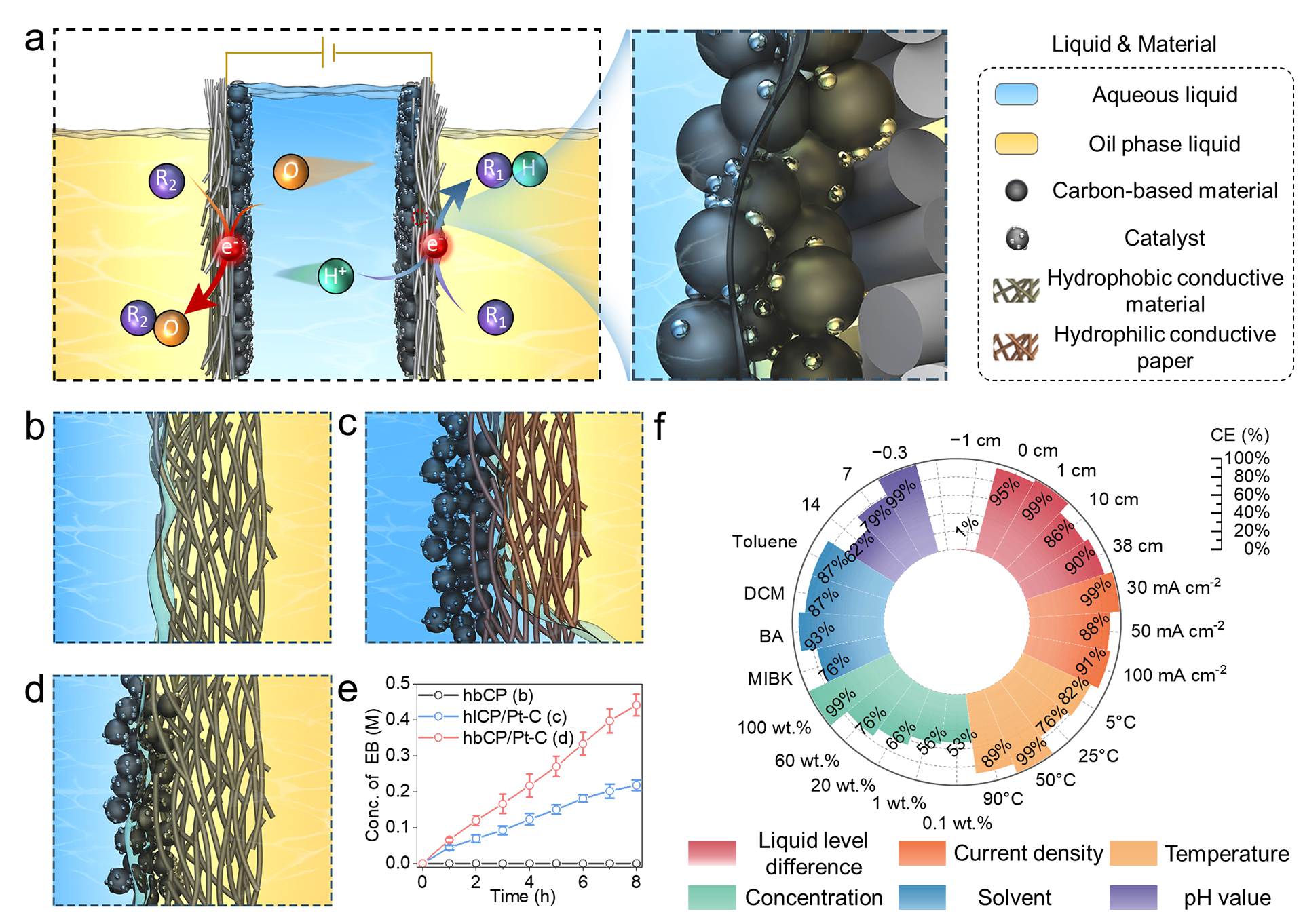
Fig. 1 Design and performance optimization of the porous membrane electrode (PME) reactor.
The PME regulates the distribution of oil and aqueous phases jointly via the hydrophobic porous layer, catalytic layer and liquid level difference. It allows the organic phase to penetrate into the porous region adjacent to the catalytic layer while suppressing macroscopic interpenetration of the two phases. Consequently, an oil/water/solid three-phase reaction zone is established within or near the catalytic layer.
Using styrene hydrogenation as a model reaction, the study reveals that electrode wettability serves as the key factor governing reaction performance. Excessive hydrophobicity hinders the participation of the aqueous phase, while overly hydrophilic surfaces restrict contact with the organic phase. Interfaces with appropriate amphiphilicity enable much more efficient reactions.
The optimized PME exhibits a wide operating window. It can function under various liquid level differences, current densities, temperatures, substrate concentrations and aqueous pH values. The current efficiency exceeds 80% under most tested conditions.
2. From Electrochemical Reduction, Oxidation to Redox Coupling Reactions
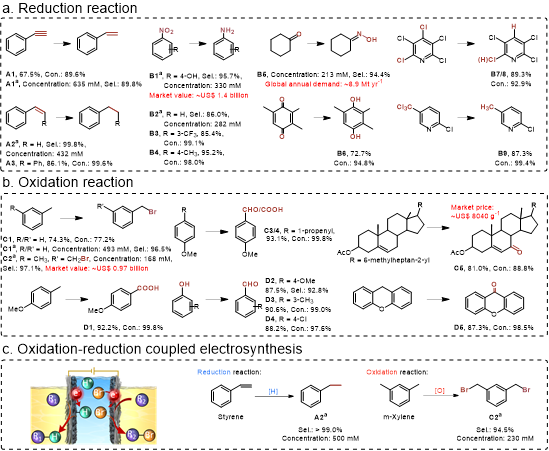
Fig. 2 Applicability of the PME reactor to representative electro-organic transformations.
Building upon the model reactions, the study further extends the PME reactor to a variety of representative reduction, oxidation and redox-coupled reactions. The reaction scope covers olefin/alkyne hydrogenation, nitro compound reduction, oxime synthesis, aromatic side-chain bromination, allylic oxidation, alcohol oxidation and other reaction types, demonstrating excellent reaction versatility.
More importantly, in reactor-level comparisons of three representative reactions, the PME delivers lower cell voltage, higher reaction efficiency and better product yields compared with conventional electrochemical configurations. This indicates that the benefits of the three-phase interface are not limited to a single model substrate, and the system holds great potential for broader electro-organic transformations.
3. From “Proof-of-Concept” to Scalability: >6 M, >400 h, 447 g
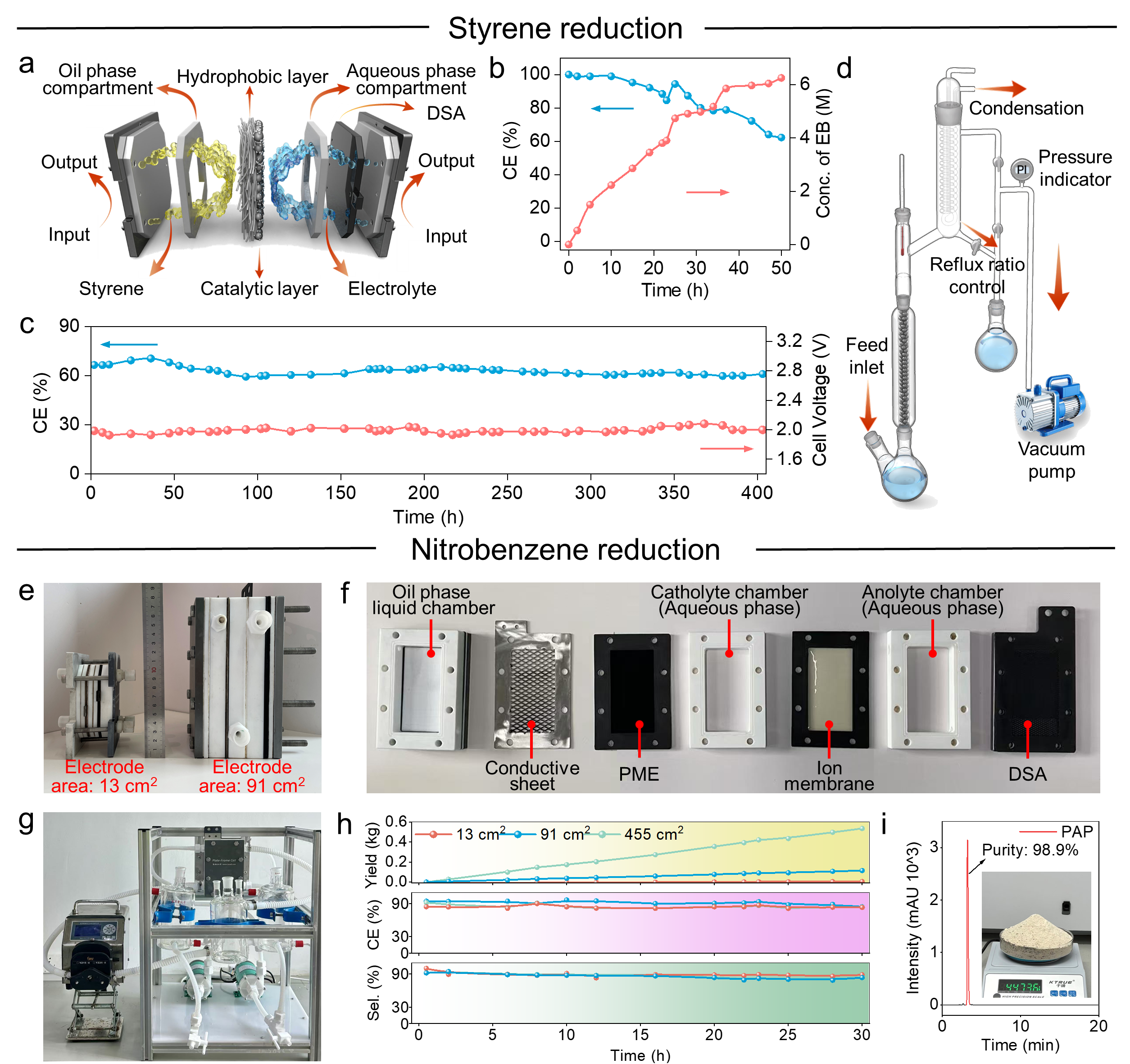
Fig. 3 Engineering performance (stability, product concentration, separation, and scale-up effect) of the PME reactor.
High efficiency at the laboratory scale is only the first step. The research further adopts a plate-and-frame PME reactor to evaluate its engineering performance. During continuous styrene hydrogenation, the organic-phase product concentration reaches >6 M with a cell voltage of merely 1.8–2.4 V. The reactor can operate stably for over 400 hours continuously, and the aqueous electrolyte can be recycled long-term. The obtained organic product achieves a purity above 98.5% via simple distillation.
Taking p-aminophenol (PAP), an important pharmaceutical intermediate, as another example, the system maintains approximately 90% current efficiency and selectivity when the electrode area is scaled up from 13 cm² to 91 cm². By assembling five PME modules of 91 cm² each, the total electrode area is expanded to 455 cm². A continuous run of 30 h yields 447 g of PAP with a purity of 98.9%.
This work completes the full chain:
Interface construction → model reaction validation → long-term operation → plate-and-frame scale-up → hundred-gram-scale synthesis
The PME reactor not only demonstrates that "the reaction can proceed", but also addresses the critical question of whether the system can operate at high concentrations for extended durations and be scaled up.
4. Unraveling the Stabilization Mechanism of the Three-Phase Interface
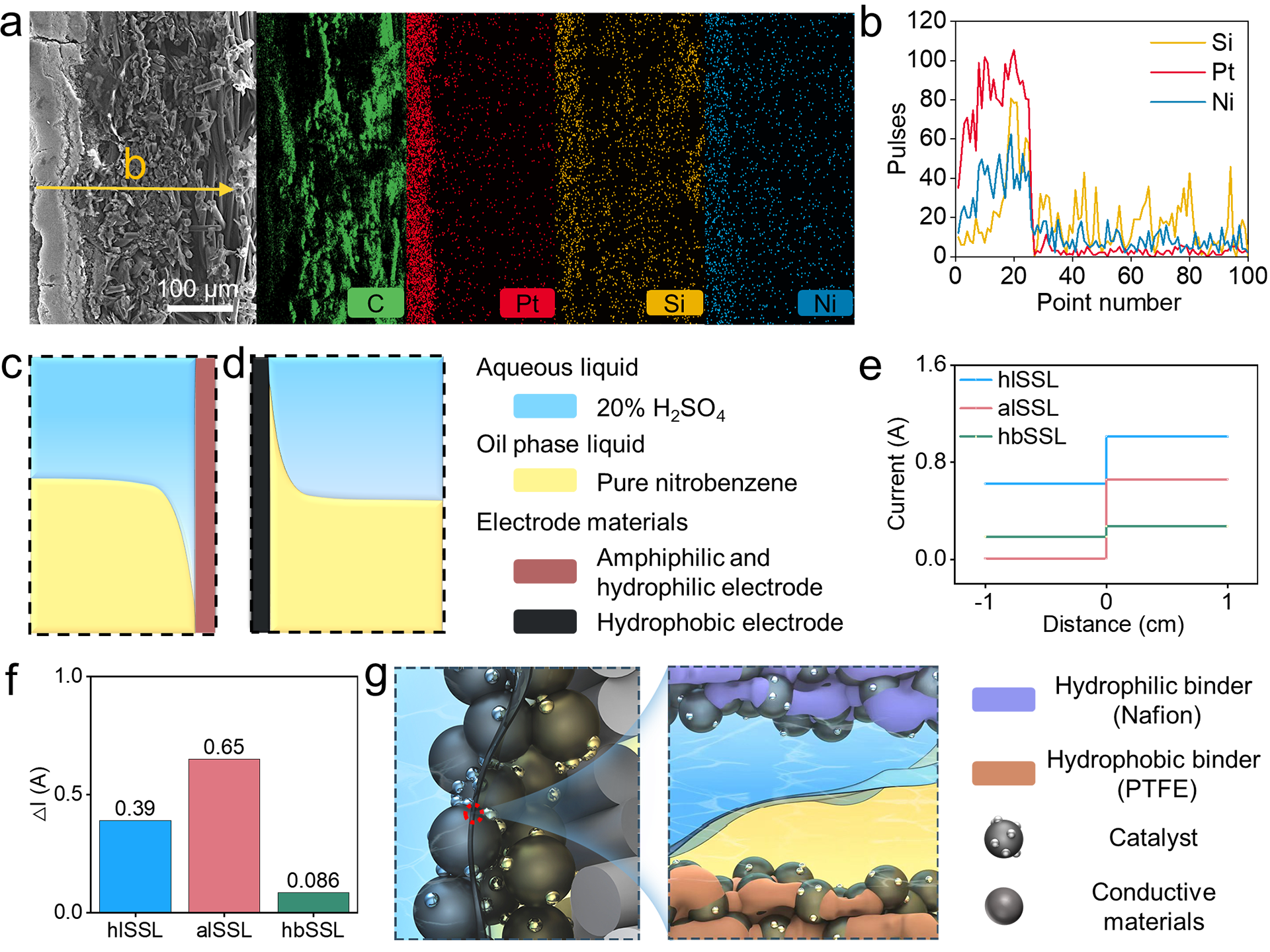
Fig. 4 Proposed interfacial mechanism of oil/water/solid three-phase electrosynthesis in the PME reactor.
To understand the stable working principle of the PME, the research team further elucidated its interfacial mechanism using cryo‑SEM/EDS, wettability analysis, electrochemical tests and liquid level control experiments.
Structural characterizations reveal that the aqueous phase is mainly distributed within the catalytic layer, while the organic phase can penetrate through the hydrophobic porous layer into the region adjacent to the catalytic layer, laying the structural foundation for the formation of the three-phase interface. Simplified planar electrode experiments further demonstrate that amphiphilic electrodes deliver the maximum current response (ΔI ≈ 0.65 A), markedly higher than that of hydrophilic electrodes (≈0.39 A) and hydrophobic electrodes (≈0.006 A). This confirms that appropriate dual wettability facilitates interfacial contact and mass transfer.
On the basis of these findings, an interfacial model is proposed: the aqueous phase migrates along hydrophilic domains, and the organic phase enters the pores of the catalytic layer to wet hydrophobic domains. The two phases form thin liquid films within the porous network, shortening mass transfer distances and generating abundant reactive three-phase interfaces.
In short, the key to the PME reactor is not to fully mix oil and water, but to enable sufficient contact where needed and maintain phase separation where required.
5. From Reaction Performance to Process Feasibility
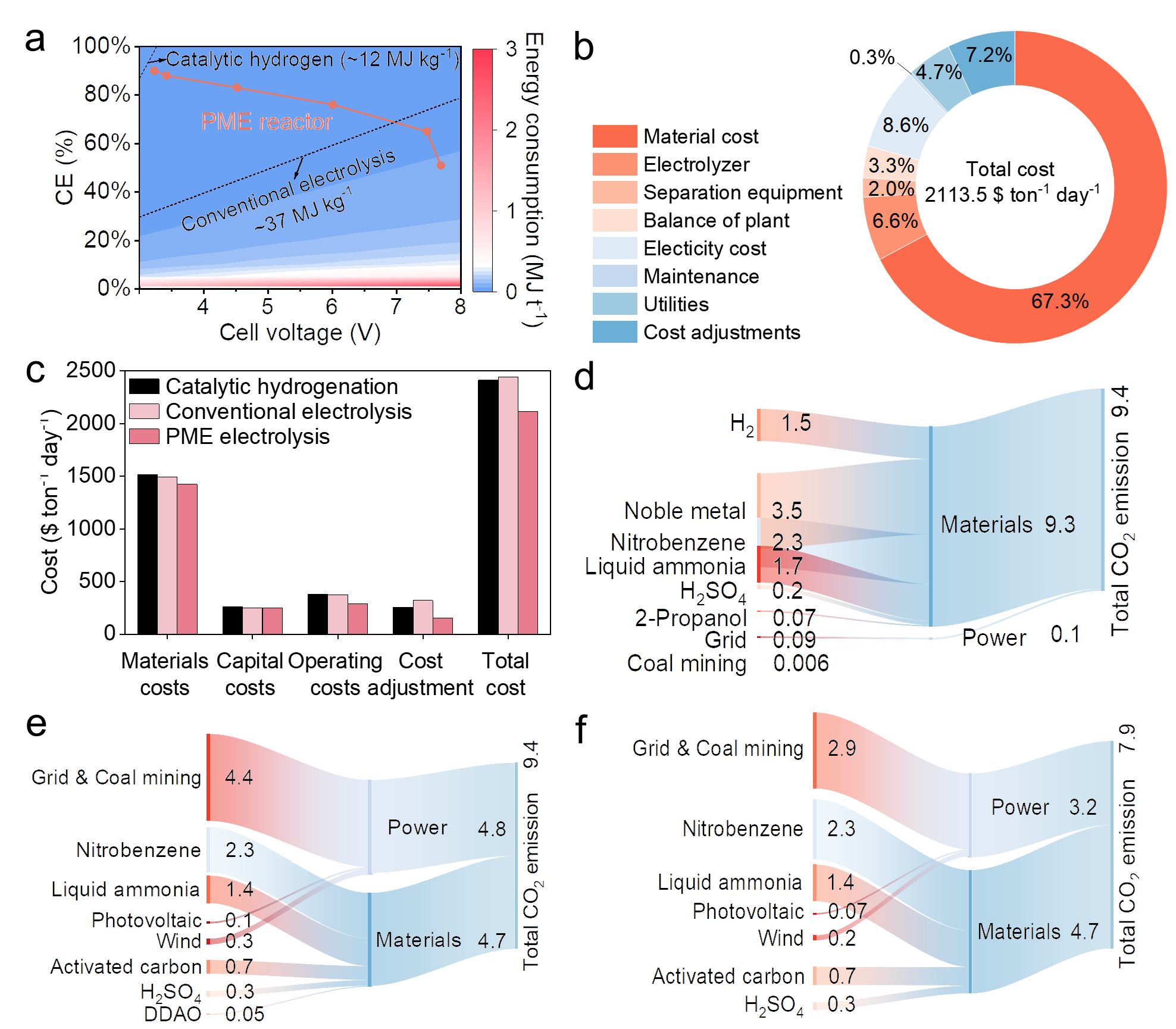
Fig. 5 Techno-economic analysis (TEA) and CO2 emission life-cycle assessment (LCA).
Finally, the study conducted techno-economic analysis (TEA) and life cycle assessment (LCA) of the PME electrolysis route, taking PAP as the target molecule, alongside conventional electrolysis and catalytic hydrogenation. Under standard conditions, the energy consumption of PME reaches approximately 13 MJ kg⁻¹ PAP, comparable to catalytic hydrogenation (~12 MJ kg⁻¹) and substantially lower than conventional electrolysis (~36 MJ kg⁻¹). Economic analysis indicates that material cost constitutes the primary contributor for the PME route. Under the defined standard operating and economic scenarios, PME electrolysis exhibits promising economic potential upon further scale-up. Environmental impact analysis reveals that when grid electricity is used, the carbon footprint of PME electrolysis is around 7.6 kg CO₂e kg⁻¹ PAP, lower than conventional electrolysis (~9.1) and catalytic hydrogenation (~9.4). If coupled with wind or photovoltaic power, the value can be further reduced to roughly 4.8–5.1 kg CO₂e kg⁻¹ PAP.
In addition, compared with conventional electrolysis, the PME electrolysis route achieves reductions of 18.2% in auxiliary material intensity, 35.0% in separation energy consumption, 10.8% in acidification potential and 12.3% in fossil resource depletion.
These findings highlight an often-overlooked advantage of the PME reactor: its merit stems not merely from faster reactions on the electrode surface, but also from the process benefits brought collectively by high-concentration synthesis, low cell voltage and simplified separation.
The core of this work lies not merely in developing a new type of electrochemical reactor, but in transforming the manner in which poorly water-soluble organics participate in electrochemical reactions.
Novel interfacial design strategy: Convert the “solubility problem” of poorly water-soluble substrates into an “interfacial problem”, enabling direct electrochemical conversion of high-concentration or even neat organic substrates.
Platform reactor capability: Applicable to representative reduction, oxidation and redox-coupled reactions. For three typical reactions, it delivers lower cell voltage, higher reaction efficiency and better product yields than conventional configurations.
Engineering feasibility: Low cell voltage (~2 V), long-term stable operation (>400 h), high product concentration (>6 M), and validated 500-gram-scale PAP synthesis.
System-level benefits: TEA and LCA demonstrate that the PME system possesses advantages in energy consumption, product separation and carbon emissions.
This work represents a further extension of the continuous research conducted by Xu Yinghua’s group on membrane transport, interfacial regulation and electrochemical reactor intensification. The team’s early research focused on water treatment. Using a palladium membrane reactor, the electrochemically generated active hydrogen on the electrochemical side was directionally transported to a separate reaction chamber. Pollutant reduction was realized without introducing supporting electrolytes into the target water body (Figure 6A). This prior work was published in Nature Water (2023, 1, 95–103; DOI: 10.1038/s44221-022-00002-3).
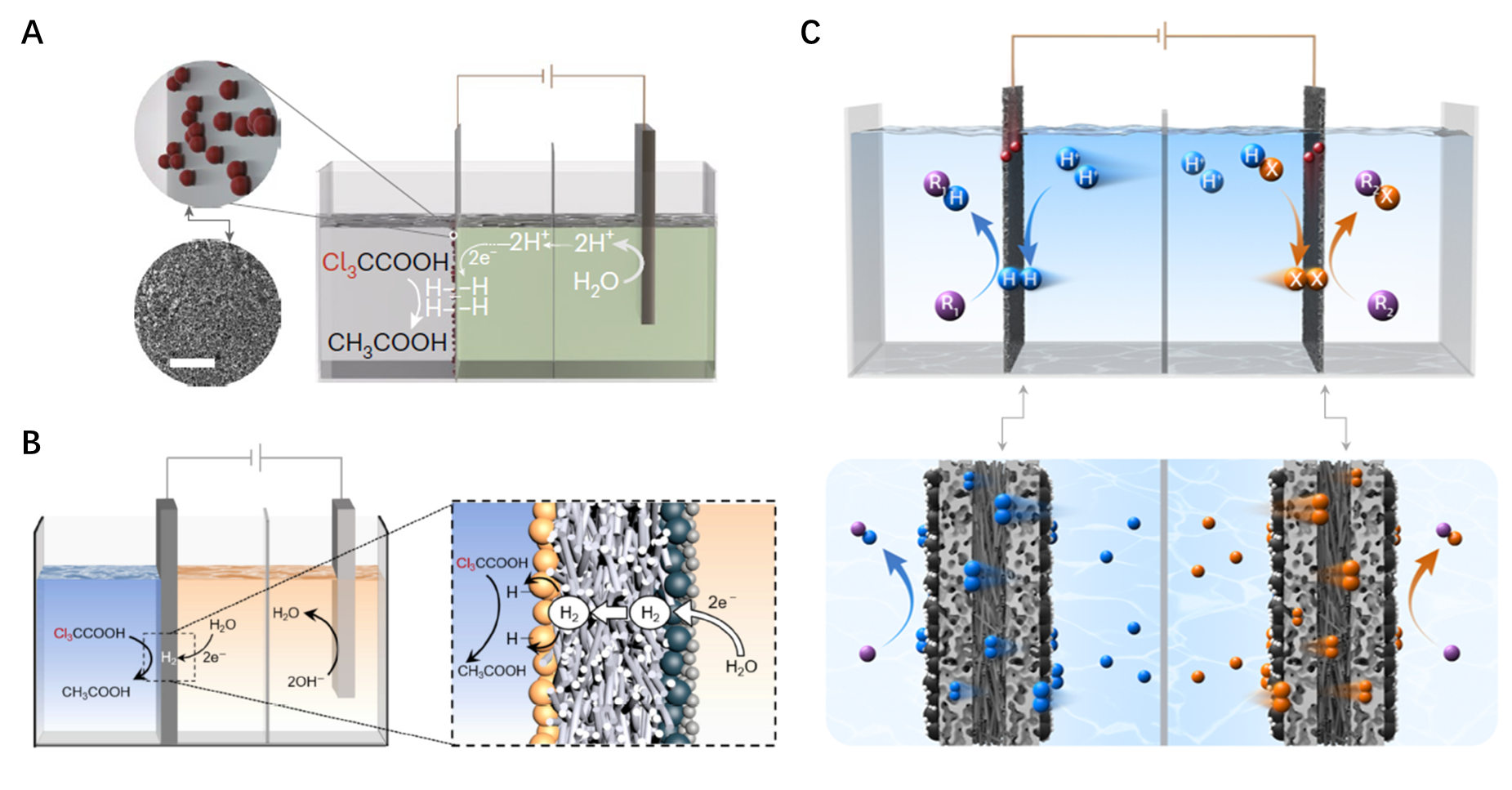
Fig. 6 Design concepts of three types of electrochemical membrane reactors
Nevertheless, palladium membranes suffer from high cost, limited mechanical stability and challenges for further scale-up. Following the concept of “transmembrane transport of active species + electrolyte isolation”, the team replaced dense palladium membranes with hydrophobic porous materials and developed the electrochemical hydrogen membrane (EHM) reactor (Figure 6B). In this work, Ru NPs-EHM was adopted to achieve highly selective deep dehalogenation of 12 representative halogenated disinfection by-products in drinking water while maintaining isolation between the target water body and electrolyte, with continuous operation exceeding 200 h. Although this stage of research still focused on water treatment, the reactor evolved from “transporting active hydrogen via dense metallic membranes” to “directionally transferring in-situ generated active species (molecules) through porous membranes”, which greatly reduces reliance on dense noble metal membranes. This work was published in Separation and Purification Technology (2026, 391, 137108; DOI: 10.1016/j.seppur.2026.137108).
After addressing active species transport and electrolyte isolation in water treatment, the team further raised the question: can this reactor principle go beyond water treatment for the manufacturing of high-value organic chemicals? The work published in 2025 in Proceedings of the National Academy of Sciences (PNAS, 122, e2514240122; DOI: 10.1073/pnas.2514240122) extended this concept to aqueous and organic-phase electrosynthesis. A four-compartment electrochemical reactor (Figure 6C) was developed. Through in-situ generation and directional transmembrane transport of active species, the electrochemical process and chemical reaction were spatially decoupled, accomplishing the critical transition of reactor function from “pollutant removal” to “target chemical synthesis”.
However, such reactors still rely mainly on transmembrane transport of active species to drive organic transformations, leading to limited reaction types. They cannot meet the demands of electrochemical synthesis involving direct participation of many poorly water-soluble liquid organics. To tackle these new challenges, the latest work published in Angewandte Chemie International Edition further advances the design philosophy from “transmembrane delivery of active species” to “direct construction of reaction interfaces within porous membrane electrodes”. The PME creates a stable oil/water/solid three-phase interface, enabling direct electrochemical conversion of high-concentration or even neat organic substrates, alongside high product concentration, long-term stable operation and scalable synthesis.
From transmembrane transport of active species and electrolyte isolation for water treatment, to extending this reactor concept to organic synthesis, and further to direct construction of oil/water/solid three-phase interfaces for efficient electrochemical conversion of poorly water-soluble organics, this series of studies demonstrates the team’s continuous research roadmap centered on membrane transport, interfacial regulation and reactor intensification. It also promotes the gradual expansion of electrochemical membrane reactors from pollutant abatement to the green manufacturing of high-value chemicals.
[1] Deyin Chen, Yinghua Xu*, Bin Liu*, et al. Electro-Organic Synthesis at a Stable Oil Water Solid Three-Phase Interface Reactor. Angewandte Chemie International Edition (2026): e3415969, https://doi.org/10.1002/anie.3415969
[2] Yinghua Xu*, Zhechuan Mao, Bin Liu*, et al. Electrochemical hydrogenation of oxidized contaminants for water purification without supporting electrolyte. Nature Water 1, (2023): 95-103, https://doi.org/10.1038/s44221-022-00002-3.
[3] Huan Wu, Yinghua Xu*, Bin Liu*, et al. A supporting-electrolyte-free four-compartment electrochemical reactor for aqueous and organic phase electrosynthesis. Proceedings of the National Academy of Sciences 122, (2025): e2514240122, https://doi.org/10.1073/pnas.2514240122.
[4] Baoquan Liu, Yinghua Xu*, Bin Liu*, et al. Electrochemical hydrogenation of halogenated disinfection byproducts in drinking water purification. Separation and Purification Technology 391, (2026): https://doi.org/10.1016/j.seppur.2026.137108.

First Author: Deyin ChenDeyin Chen is a 2026 PhD graduate from Professor Xu Yinghua’s research group. His main research interests include organic electro-synthesis and membrane reactor design. He has published 3 academic papers and holds 3 granted Chinese patents.

Corresponding Author: Researcher Yinghua XuPhD supervisor, and Wanhua Chemistry Chair Professor. He has presided over more than 20 research projects including General Programs of the National Natural Science Foundation of China and enterprise‑sponsored projects. As the chief technical lead, he built the world’s‑first electrolytic synthesis production line for clopyralid. He has developed multiple electrolytic industrial or pilot‑scale facilities for vanadium electrolyte, aminopyralid, adiponitrile and other products. As a corresponding author, he has published over 30 research papers in journals including Nature Water, PNAS and Angew. Chem. He has received numerous awards such as the First‑class Prize of Zhejiang Provincial Technological Invention Award, China Patent Excellence Award, and Science and Technology Progress Award from the China Petroleum and Chemical Industry Federation.
Group website: https://www.x-mol.com/groups/xuyh。

Corresponding Author: Professor Bin LiuHe received his Bachelor of Engineering (First Class Honours) and Master of Engineering degrees from the National University of Singapore in 2002 and 2004, respectively. He completed his PhD at the University of Minnesota, USA, in 2011. After one year as a postdoctoral researcher at the University of California, Berkeley, he joined the School of Chemical and Biomedical Engineering, Nanyang Technological University, as an Assistant Professor in June 2012 and was promoted to Associate Professor in March 2017. In February 2023, Professor Liu joined the Department of Materials Science and Engineering, City University of Hong Kong, as a Global STEM Professor, and was promoted to Chair Professor in Electrocatalysis on 1 July 2026.
His research focuses on photo(electro)catalysis and in-situ/operando characterizations. He was named a Rising Star by Journal of Materials Chemistry A (Royal Society of Chemistry) in 2016, an Influential Researcher by Industrial & Engineering Chemistry Research (American Chemical Society) in 2018. He was listed among Clarivate Analytics Highly Cited Researchers in 2019 (Cross-Field) and from 2020 to 2025 (Chemistry). He has published more than 300 research papers in journals including Nature, Science, Nature Chemistry, Nature Nanotechnology, Nature Catalysis, Nature Energy, Nature Sustainability, Nature Water, Nature Chemical Engineering, Nature Reviews Chemistry, Joule, Chem, PNAS and JACS.
Hangzhou Hzcell Electrochemical Instrument Co., Ltd. (Hzcell, www.hzcell.com) is a technology-oriented enterprise specializing in the design and fabrication of electrochemical research and analytical devices, as well as the development and scale-up of electrochemical synthesis and water treatment technologies.
Backed by world-renowned electrochemical research institutions including Zhejiang University of Technology, Nanyang Technological University and The Scripps Research Institute in the United States, the company has built a technical team with solid electrochemical expertise and extensive engineering experience. Our main products include standard three-electrode test cells, H-type electrolytic cells, spectroscopic electrolytic cells, flow electrolytic cells, lab and pilot-scale electrolysis setups for industrial simulation, and various electrode materials. In addition, we provide custom services for diverse electrochemical in-situ reactors and special reactors, together with technology development and engineering scale-up services for electrochemical synthesis and water treatment.
Our products are sold worldwide and widely recognized by customers. Our client portfolio includes leading enterprises such as Wanhua Chemical, Asymchem Laboratories and CPC Corporation, Taiwan; research institutes including the Chinese Academy of Sciences, Xi’an Modern Chemistry Research Institute and Institute for Basic Science (Republic of Korea); and top universities at home and abroad, such as Tsinghua University, Peking University, University of Sydney and the University of Hong Kong.



Copyright © 2026-2027 Hangzhou Saio Electrolytic Technology Co., Ltd. All rights reserved
Address: Room 1503-8, Building 1, Haozhang Building, Gongshu District, Hangzhou City, Zhejiang Province

 浙公网安备33010502013592号